
After the advent of computers, visual artists in the former Yugoslavia began to explore new artistic practices. With the development of computers and the expansion of their availability, centers emerged where artists, alongside computer scientists, began to learn and perfect the use of computers to create works of art in various courses. The authors of early digital art were rarely educated artists, they were scientists or engineers. In early digital art, in addition to accessing equipment, the challenge was acquiring the knowledge in this field – there were no commercial image and sound manipulation programs, they appeared in the mid-1980s. The works were mostly created in the artist’s free time, outside of their regular jobs. Today, such multimedia programs are very easily accessible, and some are free or open source, which means that users can freely edit them, and it is extremely difficult to imagine what the creation of digital art looked like from the 1960s to the beginning of the new millennium.
New tendencies – the first attempt to map the application of digital technologies in art in Croatia from 1968 to 1984
On August 3, 1968, an exhibition of computers and visual research was opened in Zagreb, as the beginning of the international event Tendencies 4 (1968–1969), where digital works of Croatian artists were exhibited for the first time. Among the most prominent names were Vladimir Bonačić, Vlatko Čerić and Vilko Žiljak, who were physicists by profession, Andrija Mutnjaković and Velimir Neidhardt – architects who used digital technologies in architecture and urbanism in the 1960s and 1970s, while Tomislav Mikulić and Miljenko Horvat were among the few who were artistically educated.
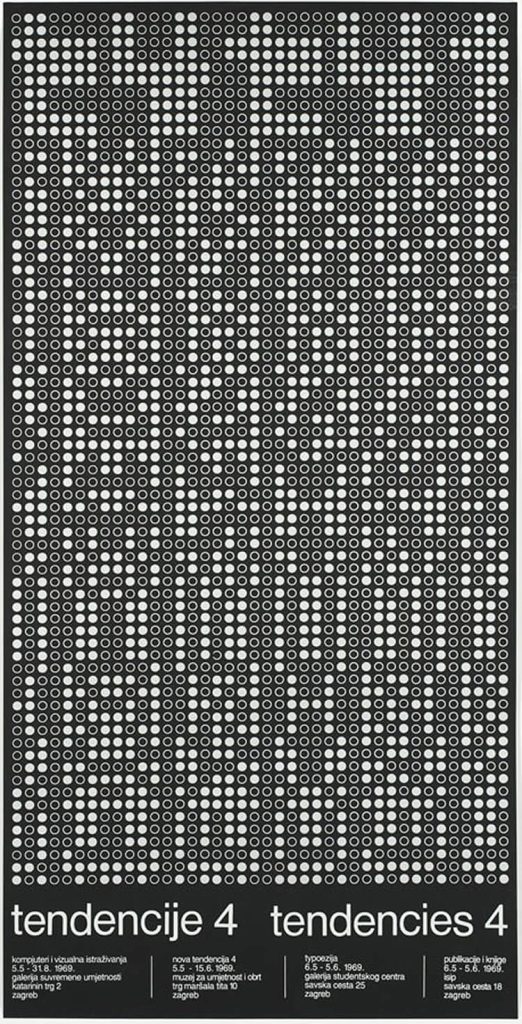
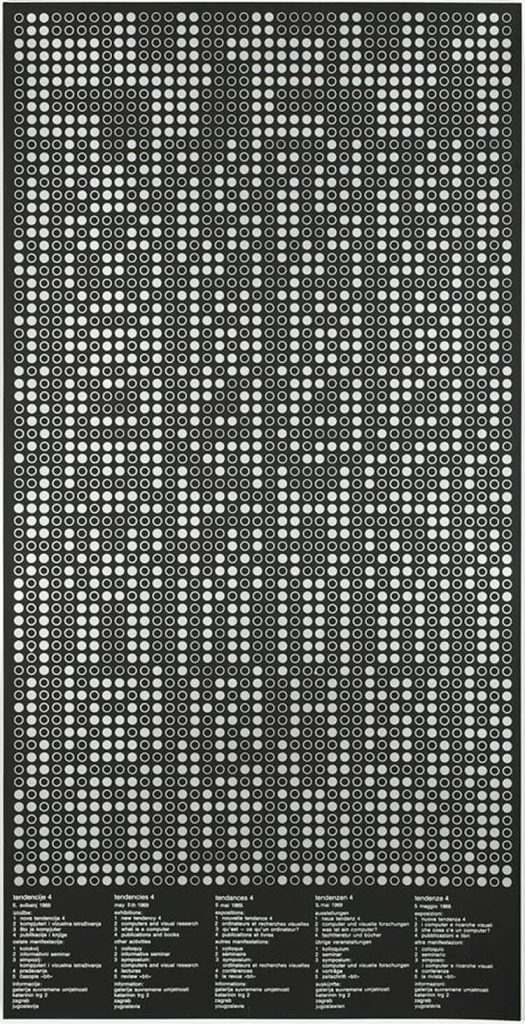
Tendencije 4, 1969., poster, design Ivan Picelj
The first digital artworks were created, mostly, in institutions, since the first computers were available there, before the personal use of computers began, when they became available at home. This problem was recognized by the organizers of New Tendencies, so the award for the Computers and Visual Research section of the exhibition in 1969 was the possibility for artists to use a computer in Zagreb to create a work of art, as well as the organization and production of the created work. It wasn’t until 1972 that digital technology became available to the general public in the Multimedia Center of the Referral Center of the University of Zagreb (MMC).
Over time, the center was able to provide access to the HP2000E time-sharing computer, thanks to the efforts of engineer Branimir Makanec. This enabled IT education of teachers and high school students as well as remote work via modems and telephone signals, and all the interested parties could come to MMC every working day from 8 am to 8 pm and use the computer free of charge. In addition to engineers and interested students who worked with software and hardware, MMC began to attract artists and creatives, including the visual artist Tomislav Mikulić, who created the first digital animations in Croatia, multimedia artist Vladimir Petek, computer scientist Goran Premec. The latter developed a series of digital multimedia systems used by artists in the 1980s and was one of the 5 authors who participated in The Cathedral project held in the PM Gallery in Zagreb in 1988, which did not present any works of art but was one of the first interactive computer-generated spaces in the world. At MMC, electrical engineer Damir Boras, according to the ideas of architect Velimir Neidhardt from the Urban Planning Institute of Croatia, developed URBAN, the first computer language for urban and spatial planning in Croatia, in 1977.

In the period from 1968 to 1984, digital technologies were rapidly changing, computer equipment was mutually incompatible, and various adapters were unavailable, so the authors designed and produced hybrid systems.
In the age of mainframe computers, images were displayed on a small monochrome screen of an oscilloscope. In the late 1960s, Vladimir Bonačić created his first visual works using an oscilloscope. The oscilloscope made it possible to display vector drawings, i.e. drawings using lines, rather than images created by pixels. In addition to the display on the oscilloscope, vector drawings could be permanently printed using digital technologies and plotters. Photos or images with halftones (digitally made of pixels) could be printed via line printers, typewriters connected to computers, but in a specific and limited way. Line printers were used by ingenious creatives to print images with letters, the so-called ASCII images: halftones of digitally processed photographs or computer-generated images were printed with a selected letter or symbol from a line printer. This technology was used by Vilko Žiljak and Vlatko Čerić in their first digital images in the early 1970s.

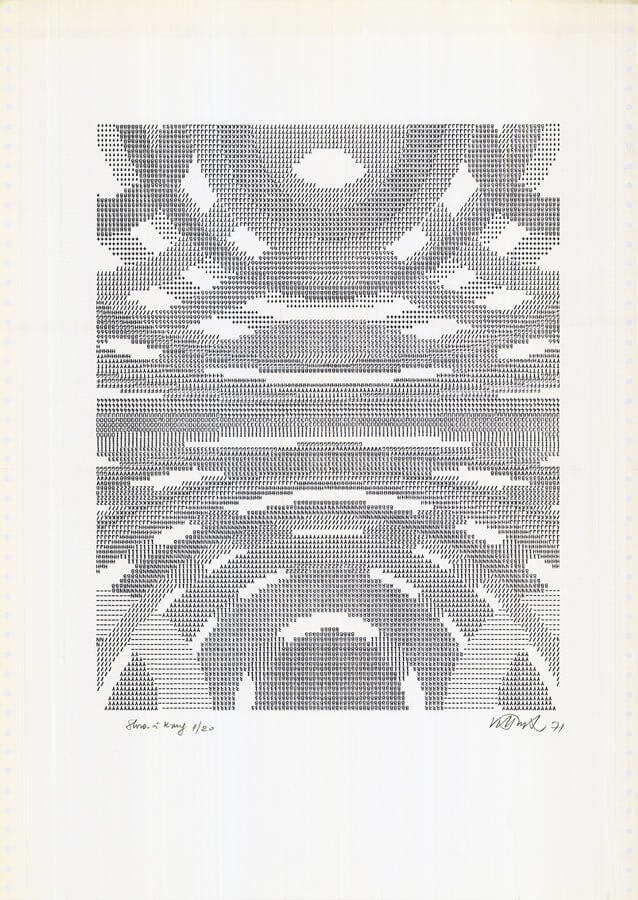
Vilko Žiljak

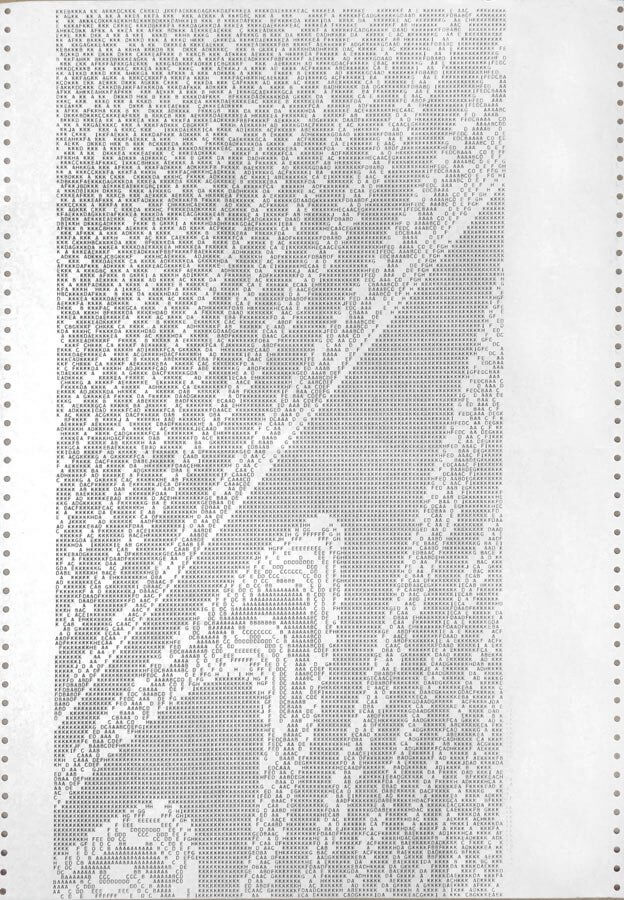
Vlatko Čerić
Computer Art – the first computer art exhibition in Serbia
Computer Art is probably the first group exhibition of its kind in the region after “New Tendencies”, and was opened in May 1991 at the ULUS Gallery. The exhibition presented works created during the 1980s and everything was set up using the artists’ own equipment. The exhibition featured different approaches to computer technology, live computer music concerts and various events with artists from Slovenia and Serbia. The goal, according to the artist Gordana Novaković, who was one of the organizers of the exhibition, was to present the computer as an artistic tool and medium. Soon the Yugoslav Association of Electronic Media Artists (AUEM) was founded, in which eighteen artists participated. After only a month, the war and breakup of Yugoslavia began and, therefore, the Association never really took off. Most of the founders of AUEM are academics today, including Dr. Miško Suvaković, Professor Čedomir Vasić and Professor Vladan Radovanović, who, through their artistic practice and theory, continued to contribute to the field of computer art.

Miša Savić, The Voice of an Angel (1991)
Miša Savić, The Voice of an Angel, an audio-visual work in the field of computer graphics and sound synthesis, that is, sonification, presented at the Computer Art exhibition as part of the permanent exhibition. As stated in the catalog: “the relationship between image and sound was realized according to the principle that the colors on the frescoes correspond to musical intervals.” The fresco “Angel at the Tomb of Christ” („Beli Anđeo“) was used as a visual template for the initialis.
A short history of electronic art – a symposium that brought together leading digital artists from Yugoslavia in 1998
With the aim to initiate the establishment of the national collection and archive of Yugoslav new media practice, in June 1998 at the Cultural Center Rex in Belgrade, artists Miroslav Miša Savić and Gordana Novaković organized a symposium entitled “A Brief History of Electronic Art” which brought together leading digital artists from the region. All the founders of the aforementioned AUEM association were invited to the symposium with the aim of presenting their earlier, but also their current works. The first part of the title of the symposium indicated the need to start a program of historical research in this field. Unfortunately, due to the war conflicts that did not subside even then, the situation in Serbia and the region at the time did not provide conditions for further development of this initiative.
NET. ART – the development of a new artistic movement
net.art is an art movement that developed in 1994. The distinctive characteristic of this movement was that artists exclusively used the Internet as a medium for creating artistic work and that its production was only possible via the Internet. Some of the pioneers of this artistic practice are the collective Jodi.org, Alexei Shulgin, Olia Lialina, Heath Bunting, Daniel Garcia Andujar, Rachel Baker, as well as the Slovenian artist Vuk Ćosić.

Vuk Ćosić Bang
Ćosić paid special attention to the possibilities of ASCII code (American Standard Code for Information Interchange) and converted images, movies and even sounds into this computer code. He created his own software to convert pixels from stationary and moving images into ASCII, experimenting with both sound and camera movements transcribed through ASCII. In his work, he often used famous pop culture works, such as Warhol’s Campbell Soup, as well as entire scenes from films such as Hitchcock’s Psycho and the cult porn film from 1972, Deep throat, that he reinterpreted through ASCII code.
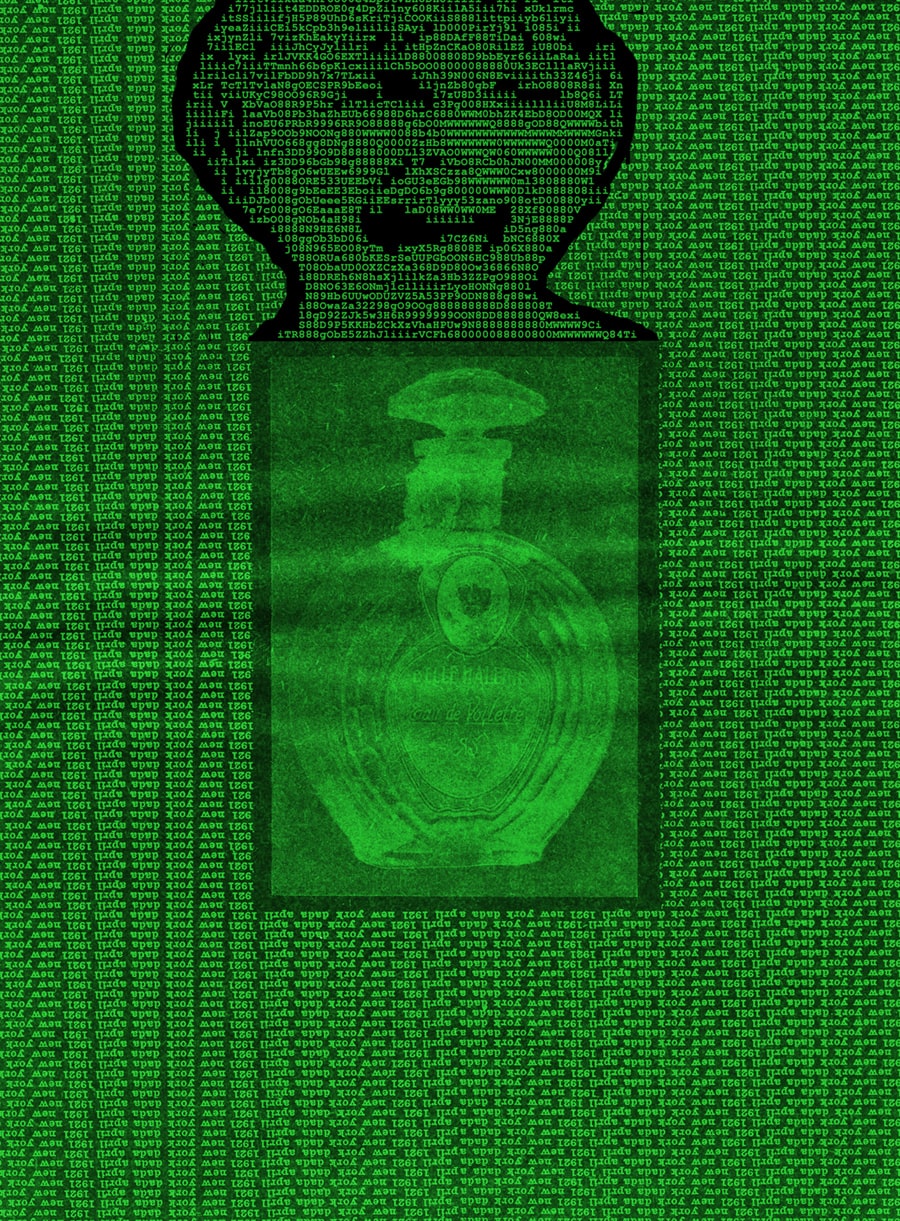
Vuk Ćosić Psychodada
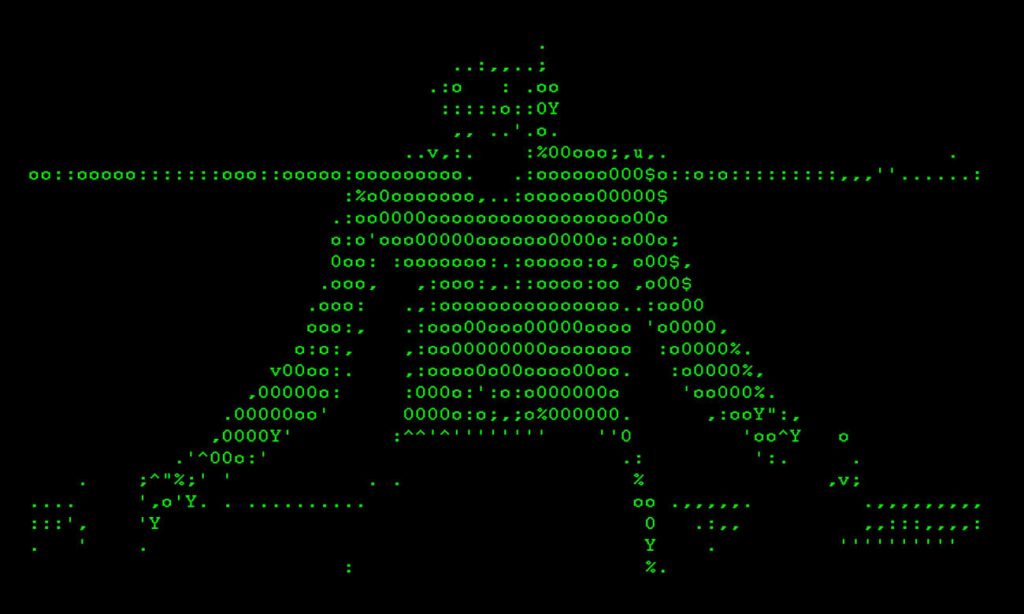
Vuk Ćosić Raging Bull
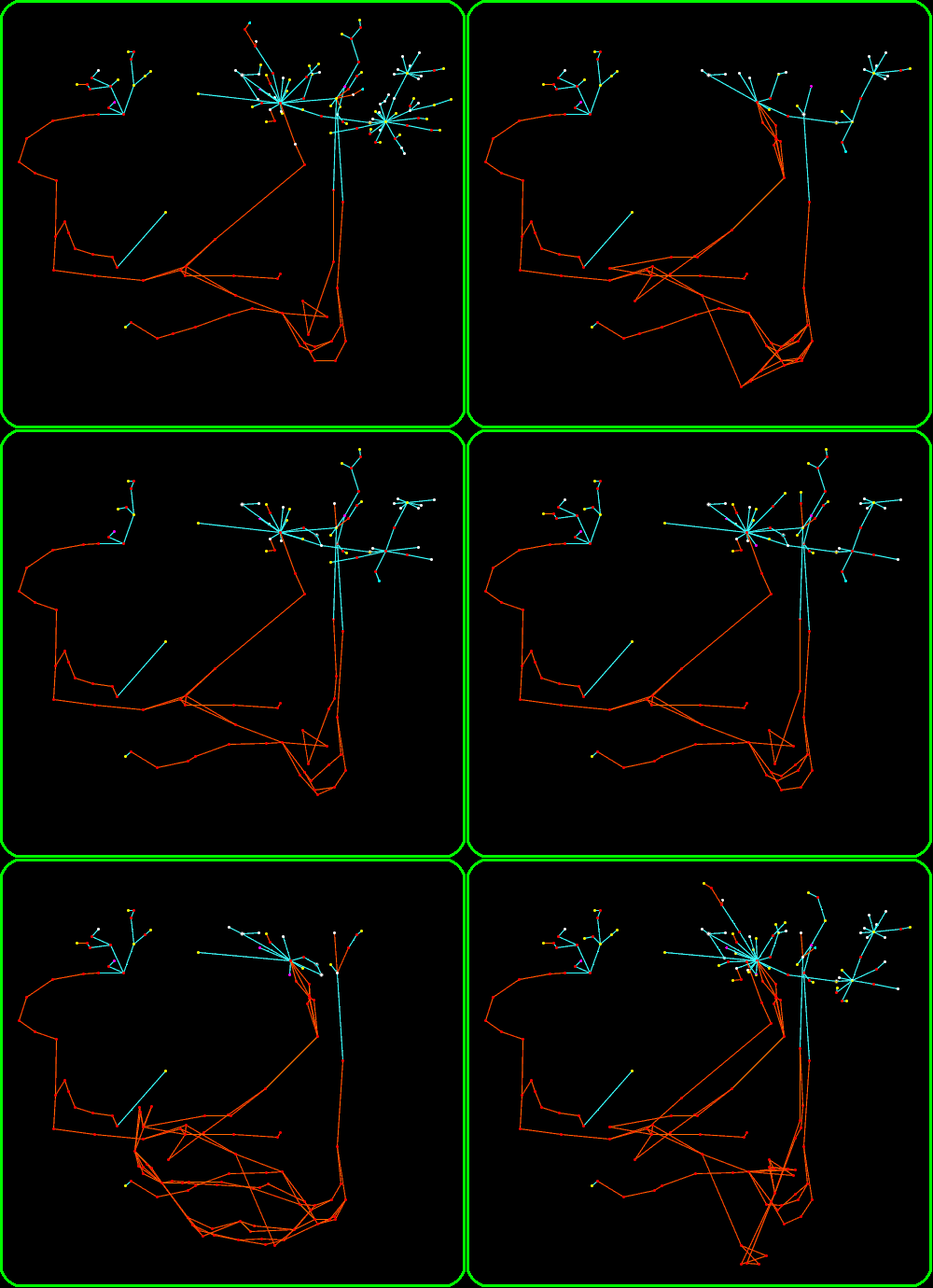
Vuk Ćosić War in YU
He also developed his projects within the ASCII Art Ensamble art group together with Walter van der Cruijsen and Luka Frelih. One of the group’s joint projects was a series of videos of selected cult films presented in the ASCII code, which were titled ASCII History of Moving Images.
Today, Ćosić lives in Ljubljana, where he is still active in exploring the intersection of art and technology. He co-founded Ljudmila, an open access digital media lab that aims to connect artists and NGOs with new media and technology. Ljudmila also runs an open source platform for the distribution of free artistic and cultural content.
Rex – the mainstay of digital artists during the 1990s
During the 1990s, the Rex cultural center was an important place for various creatives. It was equipped with computers, which could be used by all visitors completely free of charge without any obligation. Thus began the digital era in this space that saw various fledgling artists create their first works with the help of computers.
The first workshop opus in this space was dubbed the Demo scene. Although having a website was far from common at the time, Rex had its own, where they posted works and news from this course. In October 1998, a digital laboratory was opened in Rex – Cyberex, within which there were various programs, including the more prominent Update and Cyber School programs, which included various courses and short seminars where participants learned how to use certain programs. Within Rex, the group Corrosion stood out, which mainly dealt with audio and video content and held various workshops on the subject and from which the “Kosmoplovci” collective later emerged.
Little and Big Cyber School – Young YU Visual Artists were educational programs organized during the year 2000 as two-week seminars for acquiring basic knowledge of computers, the Internet and creating web presentations for artists, art managers, students of the University of Arts, members of various Non-governmental organizations, as well as short seminars (3-5 days) that enabled those who possess basic knowledge to further improve and actively use and apply new media (e.g. Photoshop, Dreamweaver, HTML, REALaudio, Streaming media, Macromedia Flash, Linux). These seminars had their continuation in the realization of a specific project of the group that attended them.
In 2000, Rex was evicted and all the equipment was confiscated. During that year, all the events existed only online. The following year, in 2001, they returned to the premises and recovered most of the equipment, and Rex started working as a cultural center.
Sociopolitical events largely directed artistic creation in the former Yugoslavia, especially during the 1990s, when the country collapsed. Despite the events at the time and conflicts between member states, the efforts of artists to stand out in their innovativeness and intention to follow technological tendencies and show that the computer can also be used as a medium for creating art are undeniable. By working with computers, artists experimented with algorithms, coding and visualization of data, thus creating a new, unique approach to art, but also a new way of communicating with the audience. In doing so, they paved the way for a later understanding of computer art and its further development.
References:
Art Practice in a Digital Culture, chapter The Garden of Hybrid Delights, Gordana Novaković
Internet i umetnost na prostoru Srbije 1996-2013 – Odlike umetničkih diskursa na polju Interneta u Srbiji, Vera Mevorah
www.ljudmila.org/~vuk/
www.rex.fondb92.org/sr/naslovna.1.188.html
www.digitalna-umjetnost-u-hrvatskoj.eu/hr
Hero ilustration: Vilko Žiljak


0 Comments