


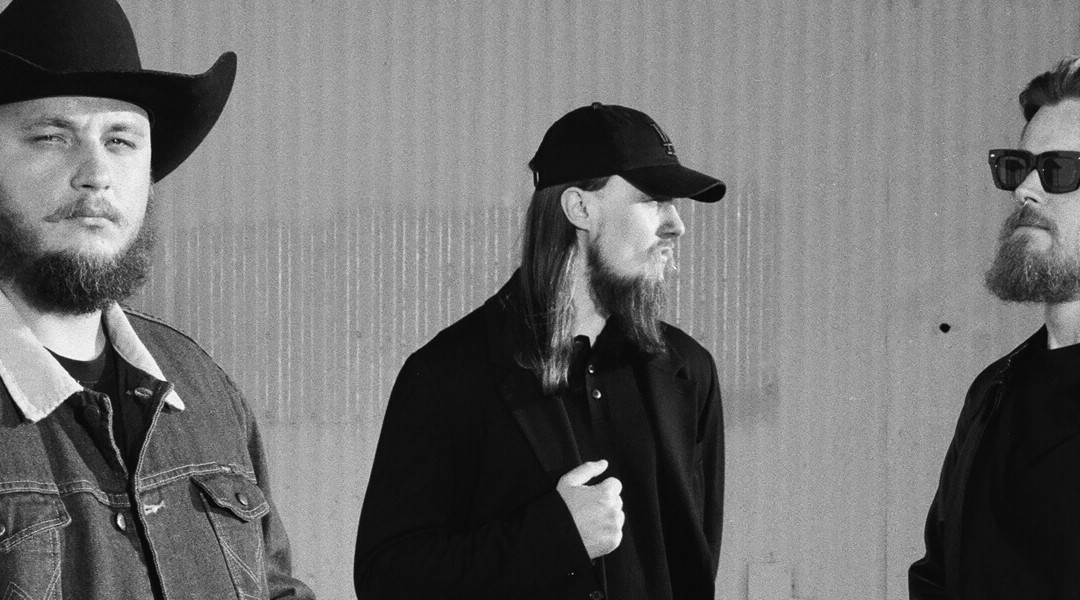
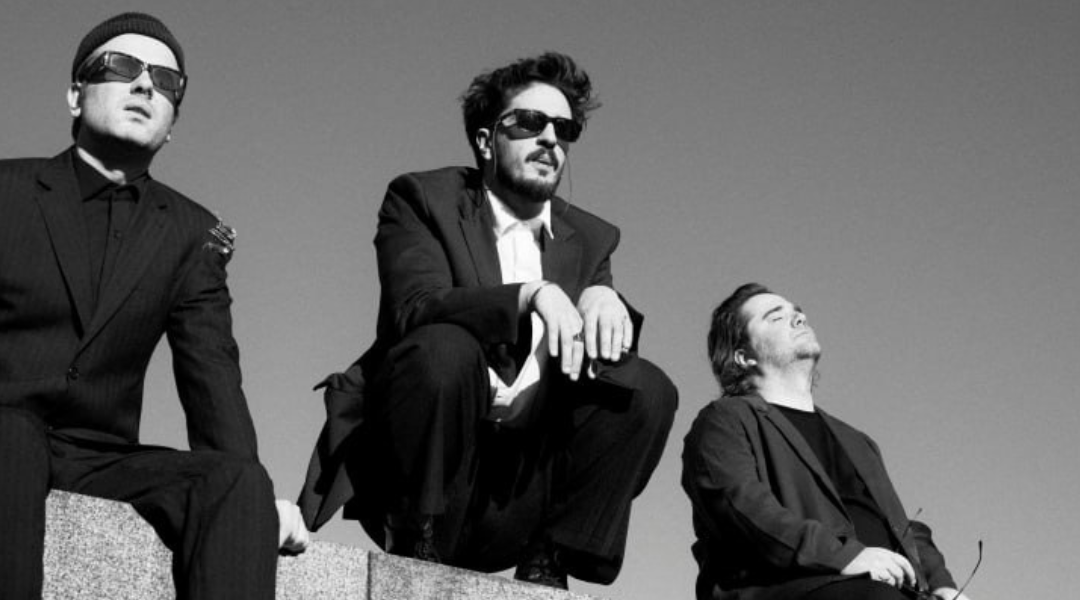
The Belarusian post-punk trio, known for turning cold, brutalist soundscapes into a global cult phenomenon, will perform at Luka Beograd Open Air Corner on July 7, 2026.
Blending Soviet-era synth textures with driving basslines and distant, echoing vocals, Molchat Doma have built a sonic world that feels both retro and strikingly present. From the viral explosion of “Sudno” to albums like Etazhi, Monument, and Belaya Polosa, their rise has been as atmospheric as their music – slow, immersive, and unmistakably their own.
Ahead of their return to Serbia, we spoke with the band about inspiration, evolution, live performance, and what it means to come back to Belgrade after their previous shows.
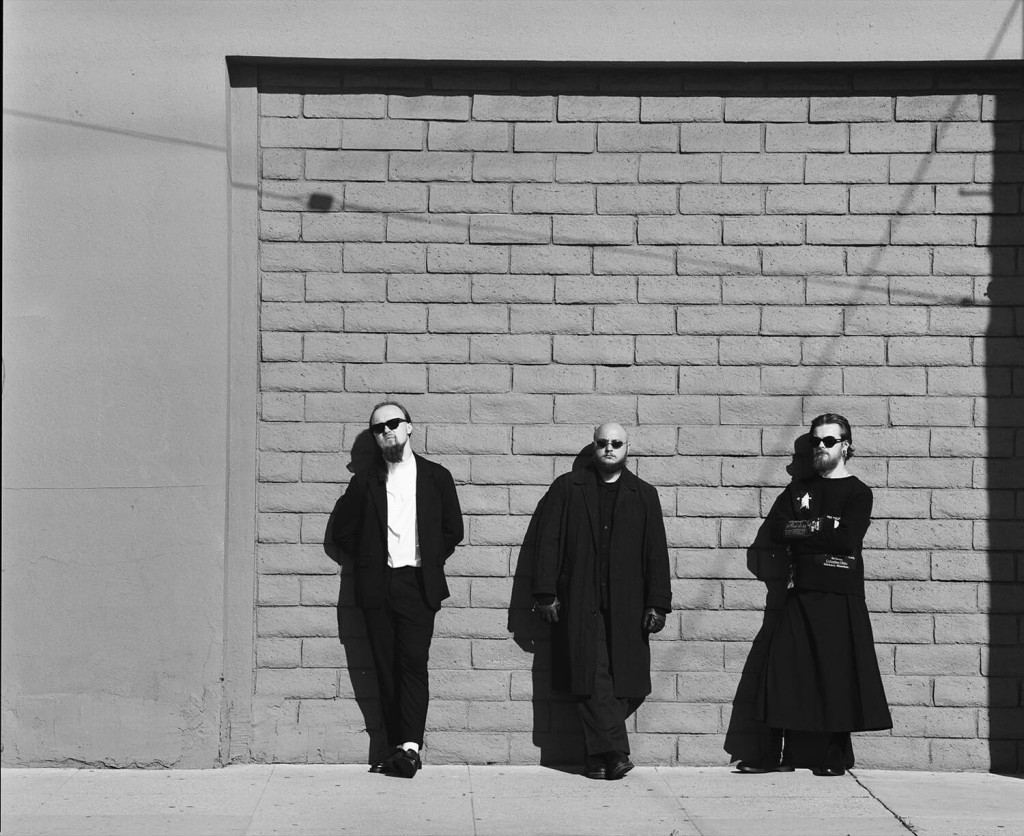
Your music is often associated with architecture and city landscapes. Are there places today that inspire you in the same way Minsk once did?
Molchat Doma: Our music is often associated with architecture and urban landscapes, especially brutalism, which is also reflected in our album artwork.
Today, we are probably more inspired by emotions and experiences connected to different life events – both positive and negative – rather than by specific places. However, architecture and urban environments played a very important role for us in the past.
Among the cities that have inspired us, we can mention Belgrade with its brutalist architecture, Berlin, Tbilisi, Kyiv, Minsk, São Paulo, and New York. Each of them has its own character, atmosphere, and visual language that, in one way or another, influenced our work.
After years of international touring, what still surprises you about performing for new audiences?
We travel to many cities, and it is always interesting to observe the reactions of new audiences. For them, it is a first encounter with our music, and for us, it also feels like something new every time – in a different context and place.
There is a sense of fresh energy: different people, different spaces, and completely different responses. The most valuable part is precisely that variety of reactions. They never repeat themselves and almost always differ from what we have experienced in other cities.
Was there a moment when you realized the band had become bigger than you expected?
That moment happened quite a long time ago, around 2019, when we were able to leave our previous jobs and fully focus on music. At that point, it became clear that the project had reached a new level and required our full commitment and attention.
Is there a song that surprised you in terms of its reception?
The songs “Toska” and “Kletka” became unexpectedly popular for us. We did not expect these tracks to receive such a strong response or create such a deep connection with listeners.
Looking back at your discography, do you see a clear evolution?
Looking at our discography, we can see a fairly clear story and development from album to album in many aspects, including the evolution of our sound. At the same time, it remains a collection of different life stages and ideas, each of which was important in its own way.
What emotion do you think is often overlooked in your music?
Our music is not entirely melancholic – there are also quite a few energetic and even dance-oriented tracks. In general, we believe our music is best experienced live, where you can go through the full range of emotions.
If you had to describe Molchat Doma without music?
We would say that we play electro-rock.
How do you know when a song is finished?
There is often an intuitive sense of completion – you simply feel when nothing else needs to be added. Of course, this also comes with experience: both from writing your own music and from listening to and analyzing the work of others.
How do you feel about your music being interpreted through a post-Soviet aesthetic lens?
We are comfortable with our music being interpreted through the lens of Eastern European or post-Soviet aesthetics. Post-Soviet brutalist architecture has always been a strong source of inspiration for us, and it is something we grew up with.
We are from Minsk, and the city itself has greatly shaped our perception and visual language, which later found its way into our music.
How does it feel to return to Serbia after several years?
We are very happy to return to Serbia and look forward to seeing both those who have already attended our shows and new listeners. We hope to surprise them once again. We have really missed Serbia.
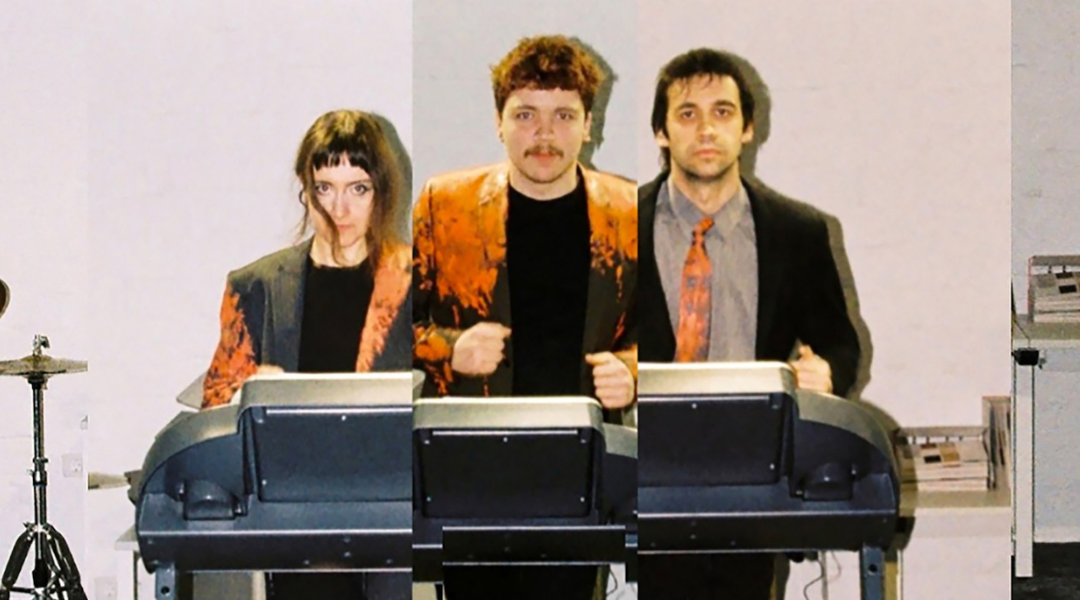
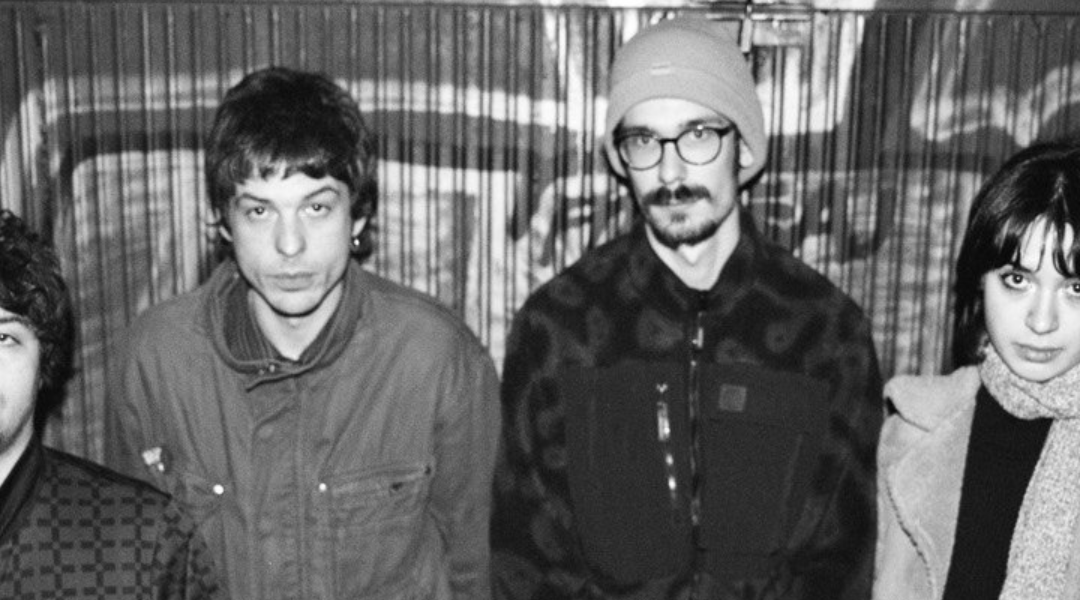
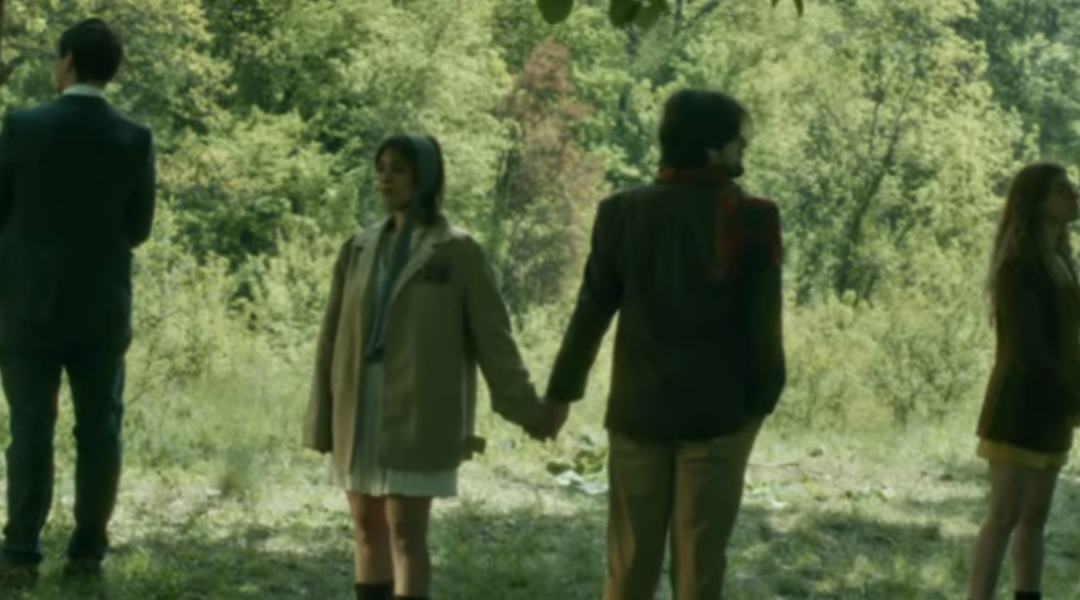
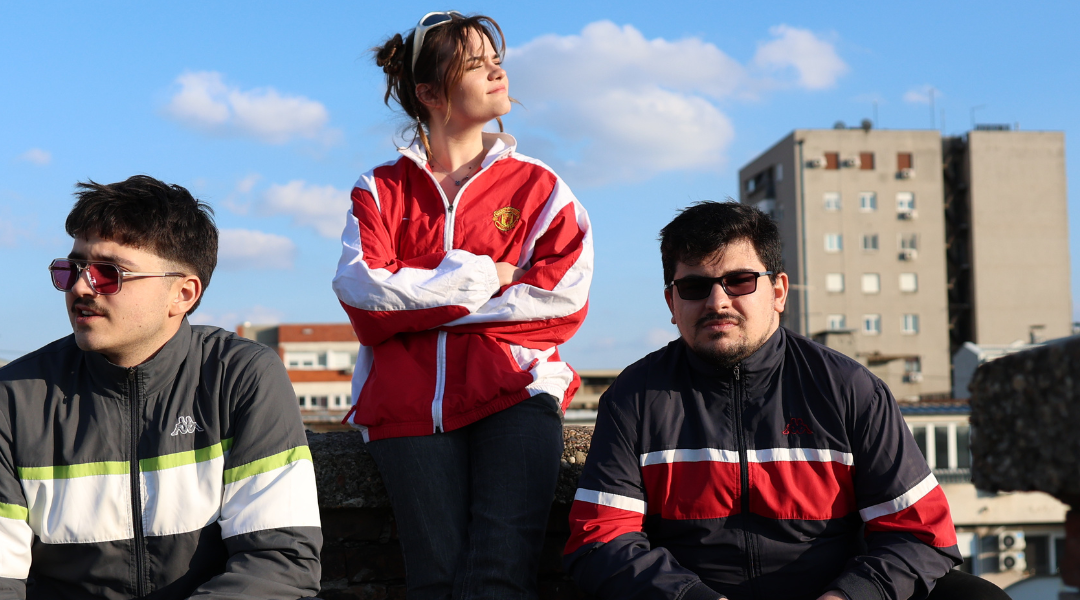
Photo: Alina Pasok i Karim Belkasemi.
0 Comments