


A fusion of the seemingly incompatible, many would say – but that’s exactly what defines Forbidden Music (Zabranena Muzika), a project that has spent the past four years developing a distinctive sound at the intersection of Balkan melos, chalga, and turbo-folk with contemporary electronic and club music. The project originated in Bulgaria and now operates as a broader network of DJs and producers from across the region, with an increasingly strong presence on stages throughout the Balkans.
The idea for the project emerged four years ago, when DJ Goro, after returning from Berlin, began shaping a party concept inspired by his own cultural heritage, aiming to translate it into a contemporary context. In that process, Balkan melos, chalga, and turbo-folk stop being a ,,guilty pleasure” and instead become the foundation for new, unpredictable directions in club music.
Their sets bring together seemingly incompatible genres and references, while through parties, releases, and collaborations they build what they call the balkancore sound. Inspired by this approach, the recently released compilation Legalize Balkancore came to life, gathering various artists from the region.
From local parties to Boiler Room, Forbidden Music now stands out as one of the key players in the new Balkan wave. We spoke with DJ Goro about the origins of the project, their relationship to the ,,forbidden” sound, and the broader context in which the contemporary regional scene is evolving.
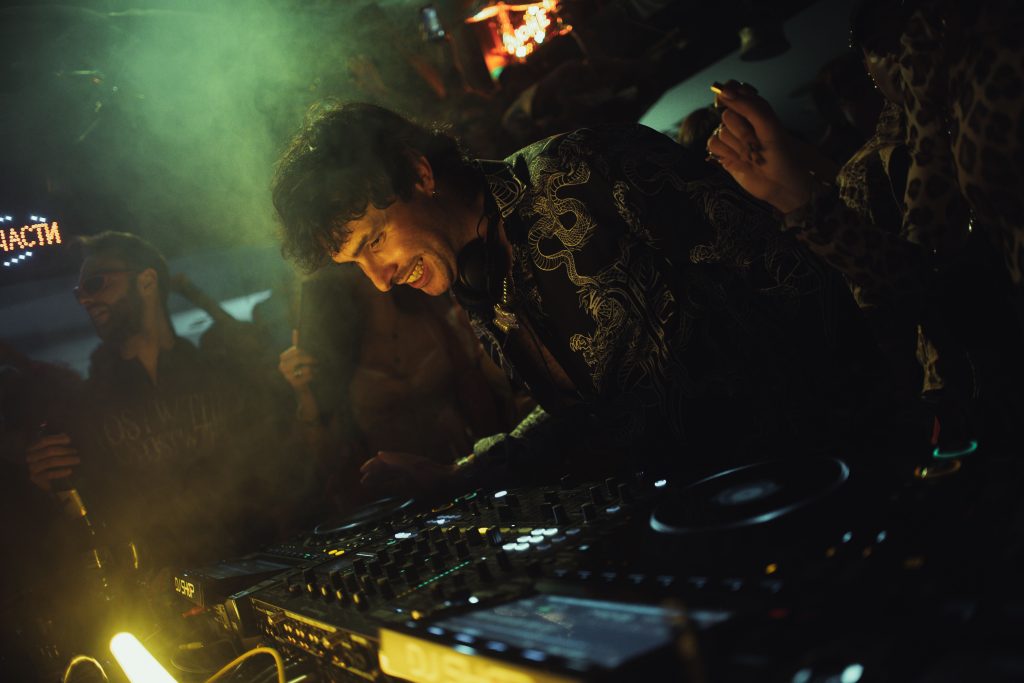
How did the idea for Zabranena Muzika come about four years ago? Was it a spontaneous experiment or a concept you had already thought through at the time?
In terms of including Chalga/Turbo-Folk in my sets and production it’s something that I have been doing for a couple of years before that. I’ve also been following the underground electronic scene for many, many years – how new genres and cultural waves come about, and regardless of the internet and globalization, the most unique sounds always come from certain places, where people follow their own cultural heritage and continue it into the modern times. So I wanted to do or be part of something like this with our region and I believe it’s finally happening with this project and a bunch of other things happening around the Balkans right now. The idea behind the name and concept came from a bunch of negative experiences with people’s limited perception – but it’s mostly because of the taboo that some people still have for this music. We also wanted to make a party where the mixes sounded ,,forbidden” – like these 2 or 3 tracks shouldn’t go together so well, but they do – it was the skill level of the DJs that we have that made it possible.
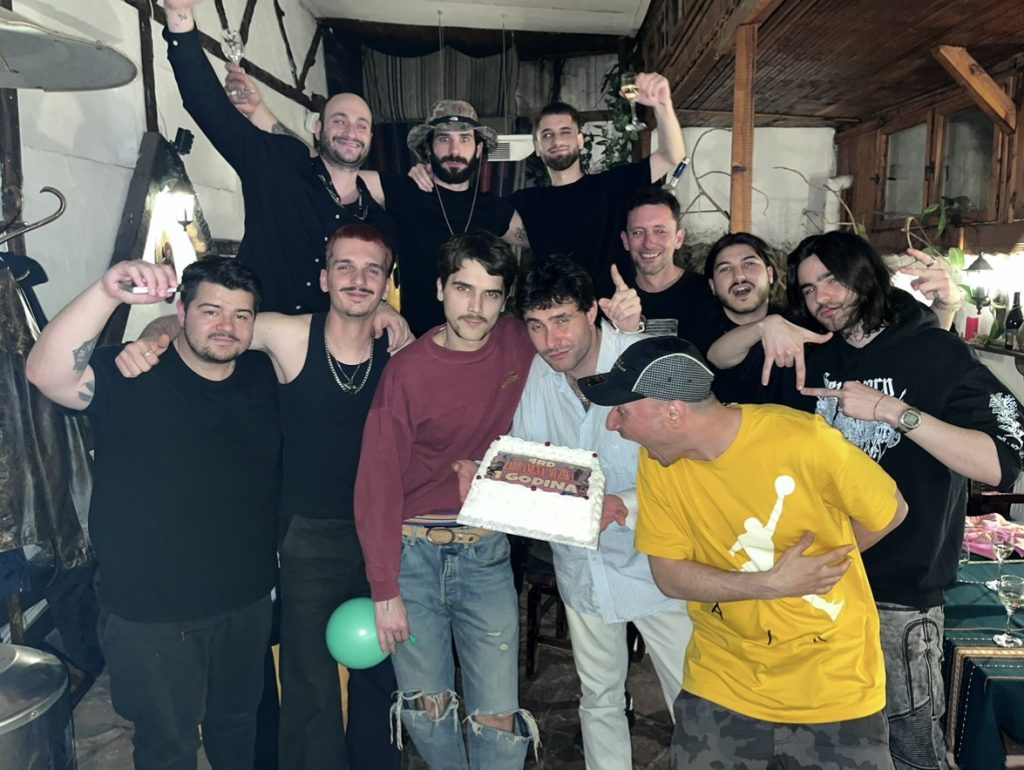
How do you function as a collective today, how many of you are there and how did the group evolve over time? Did you start with the same DJs or did the project grow organically?
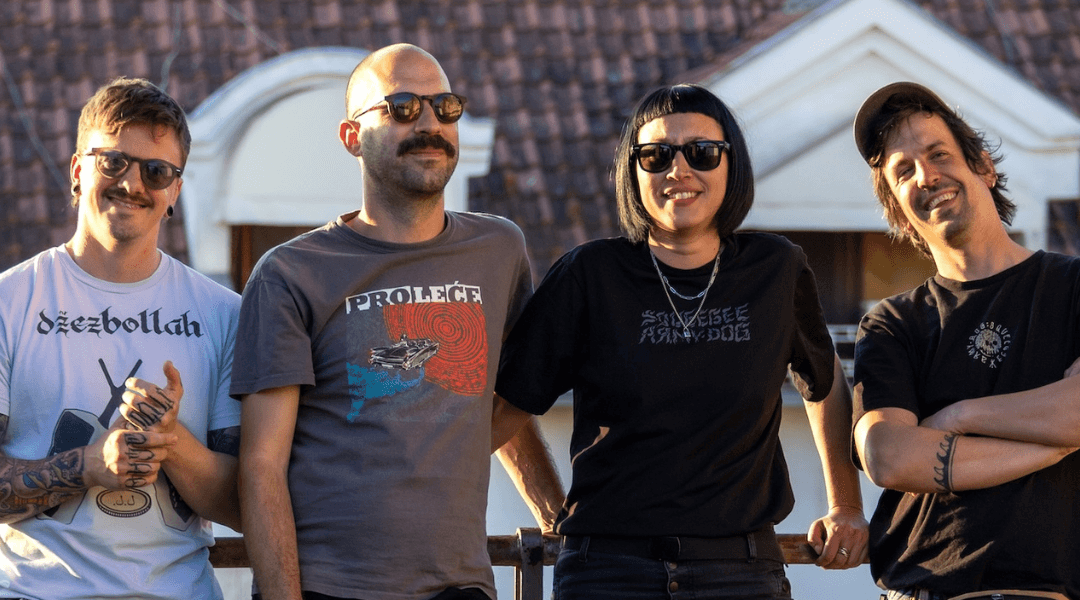
It’s a pretty big collective at this point and it’s kind of hard to say what’s required to be an official part of it and therefore say a certain number. There’s a lot of people we work with regularly, even across the Balkans, also with the producers who took part in ,,Legalize Balkancore”, etc. But our current official DJ roster that we rotate for line ups across Bulgaria is about 11 DJs + a couple of important people who do non-music tasks.
When you were just starting out, what was your main goal – fun, provocation or a need to redefine the relationship with ,,forbidden” sounds?
Help create a new cultural wave coming from the Balkans and we still are just getting started!
This kind of music is often labeled as a guilty pleasure. Do you embrace that label, or are you trying to completely deconstruct it?
We play a lot with this idea, but in this day and age we are also way past that, irony and post-irony and post-post-irony brought us all collectively to a point beyond that where it’s just freedom to enjoy something without any prejudice. So, to me, when people call something ,,ironic”, that’s an old way of seeing it – we just take something that’s already good and put it in a context where it’s also supposedly ,,cool”. Of course humour is also there but that’s just really important if your job is to make people have fun imho.
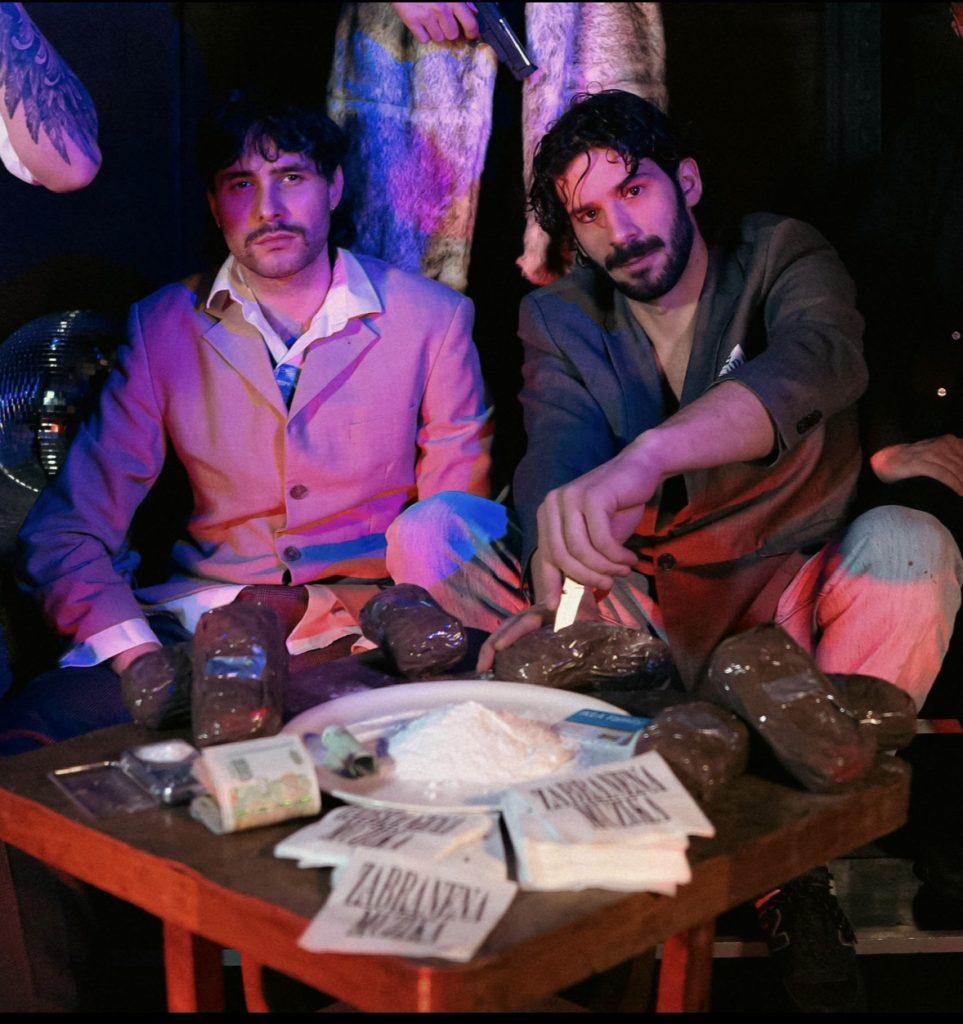
You combine Bulgarian melos, chalga and folk with techno and club aesthetics. How do you arrive at those combinations, is it intuition, humor, or very precise curatorial work?
I guess a bit of all.. at the end of the day whether it’s producing, remixing or mashups, it’s all an art form, and true art happens by itself – you’re just a vessel.
Lately, we’ve been noticing a resurgence of Balkan sounds among more alternative audiences. What do you think has contributed to younger generations letting go of that earlier distance from this kind of music?
I think the new generation can be way more open-minded than ever and this is due to Tik Tok and the whole oversaturation with information online and offline. There is so much happening that you have no time to overthink and you just perceive things for what they are, in a way. Also younger people are farther from the craziness of the 90s that a lot of people on the Balkans associate Chalga/Turbo-Folk/Manele/etc. with – it’s good to know your history, but they weren’t there, so they don’t have this emotional connection, which helps see things in a detached way and after all this IS our identity and we should embrace it with all its elements.
Which party or set would you single out as a turning point or the most intense moment in your work so far?
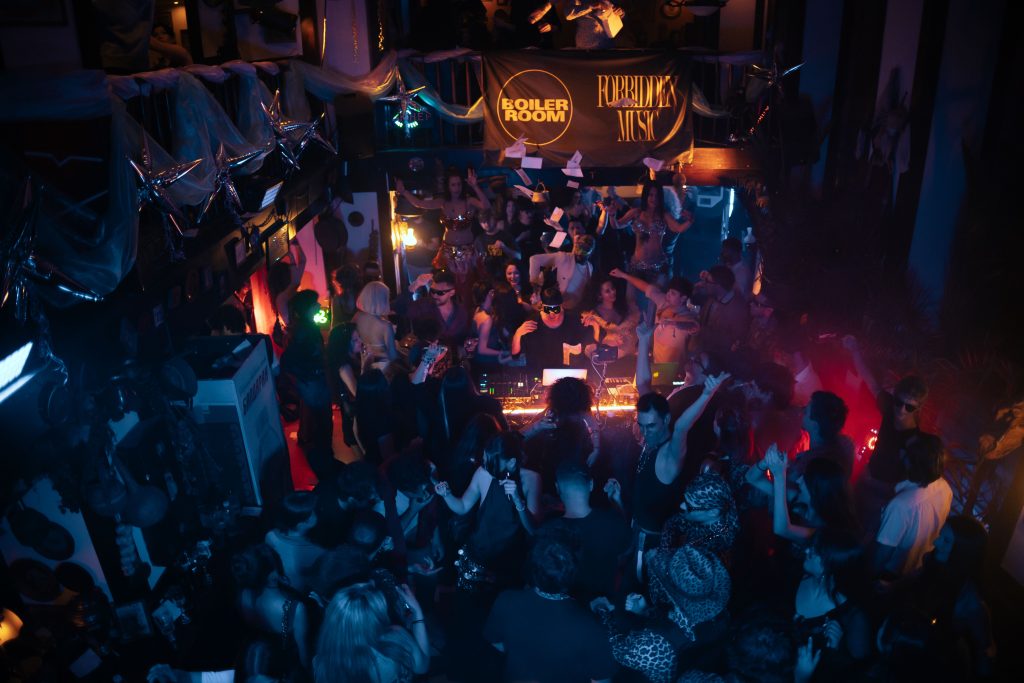
Well… I guess I’m gonna be obvious here but I believe it was this recent Boiler Room.
You recently released the Legalize Balkancore compilation, tell as more about that and what were you aiming to initiate with it?
The name is a play on our name and the taboo we have put ourselves on our own culture. Also it sounds cool and edgy.. We wanted to try and put together various artists from the Balkans who use instruments more specific for their region in the production, while at the same time everyone has their unique approach to the idea of Balkancore, which I believe makes it such a diverse and enjoyable compilation. It’s also like a small representation of what we are all aiming to do hopefully – get together and join forces, help each other out.
,,Chalga walked so balkancore can run” – do you see balkancore as a continuation of chalga in a new context?
Yeah exactly.. also Chalga is literally the most mainstream genre here so we are just making an underground, more alternative, electronic version of it I guess.
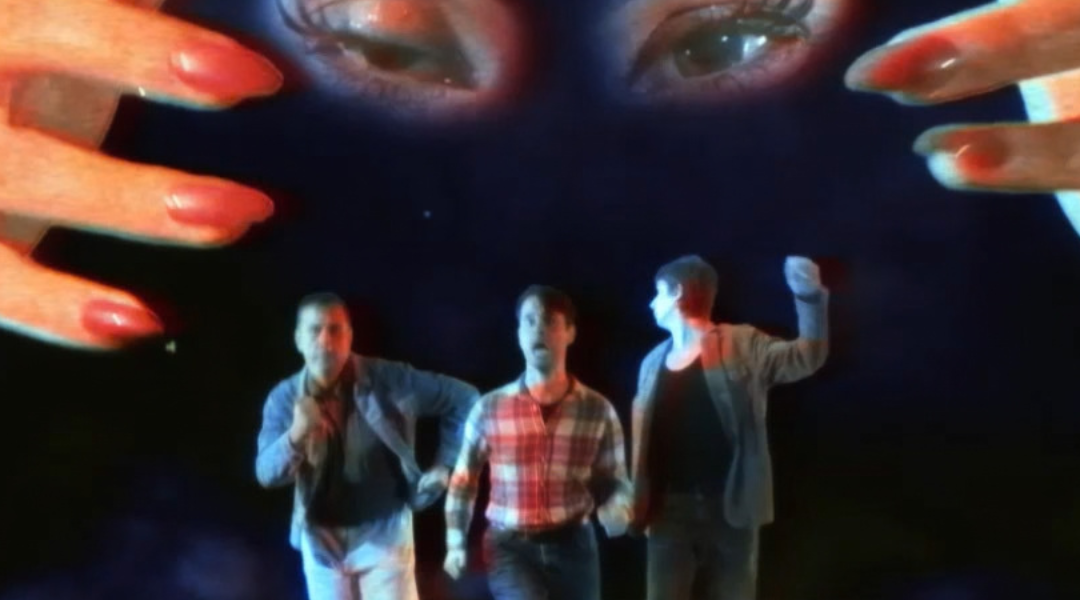
Your Boiler Room set in a kafana drew a lot of attention. How did you experience that moment, and what does it represent for you, but also for Balkan sound?
In a way for us as Forbidden Music this was a culmination of what we have been doing for the last 4 years and it also marks the start of a new chapter, because of coinciding with a moment where we are starting to work more seriously on our label and expanding across the Balkans and soon Europe! We are thankful to the Boiler Room team who saw our vision at a moment where a lot of doors have been closed for us up until now, due to being something new and unfamiliar, maybe even ,,uncool” in some eyes.
How do audiences outside of Bulgaria respond to your sound, do they understand the cultural context, or is the energy universal enough on its own?
Across the Balkans, people know the context, obviously, and I think a lot of the Latinx community resonate with what we are doing not only because of similarities in the sounds, but also geopolitical. Without the context, I feel like people still enjoy the music, because of it being something new and fresh, while also using a lot of familiar elements.. or just good music that makes you dance – at least that’s what I like to believe.
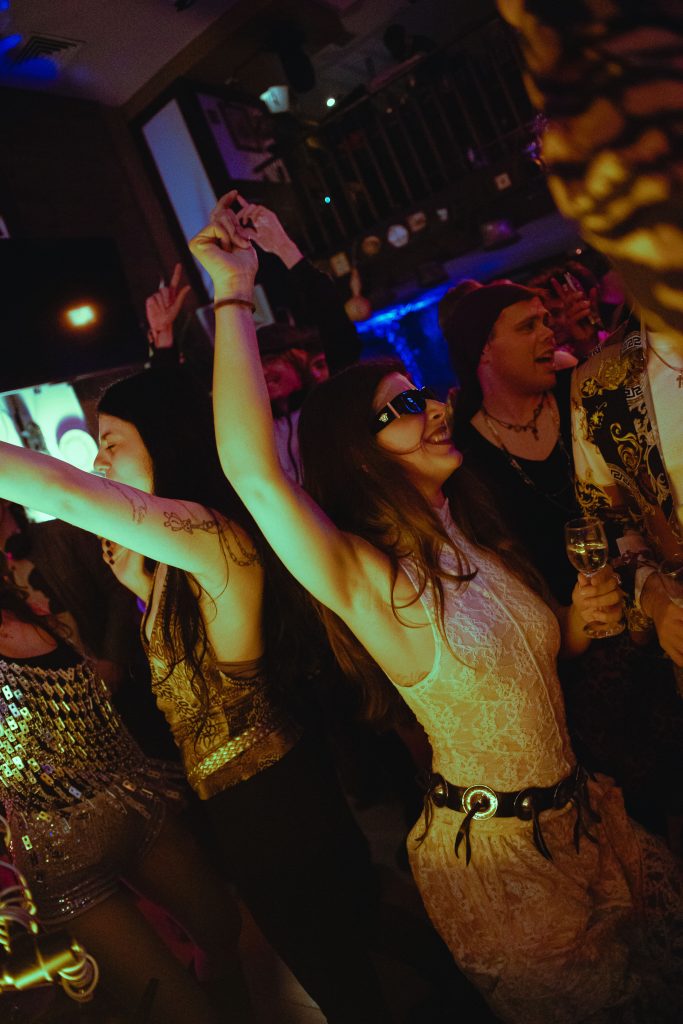
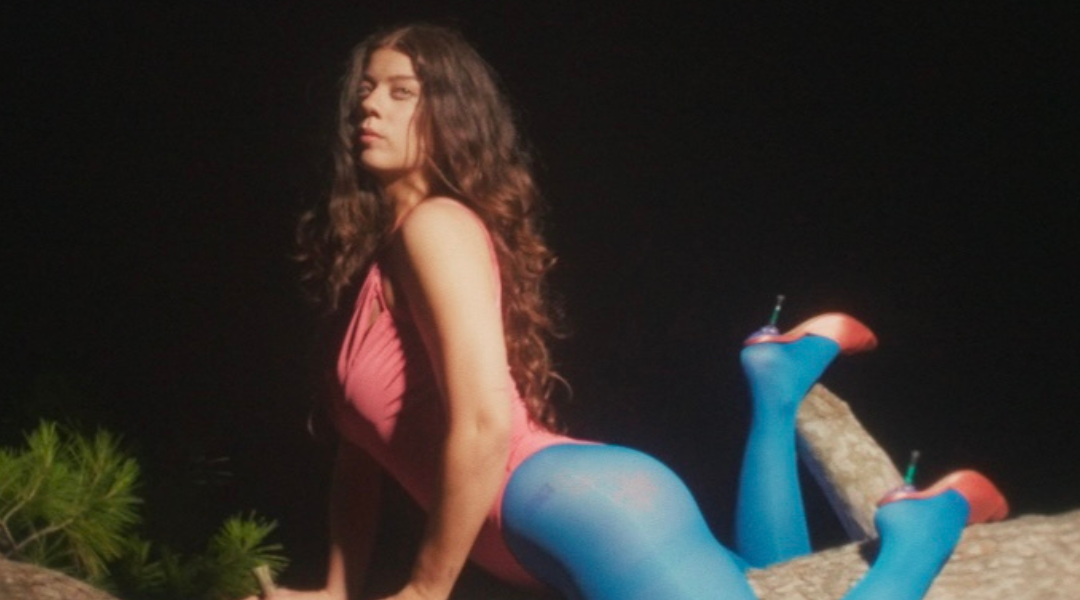
Your visual identity, from artwork to videos and live performances, feels like an extension of your music. How consciously do you build that aesthetic, and how important is it to you alongside the sound? Where do you find inspiration?
The visual inspiration comes from the same place where the musical inspiration comes from – the world around us. I don’t mean like birds and trees.. just the culture in the Balkans.
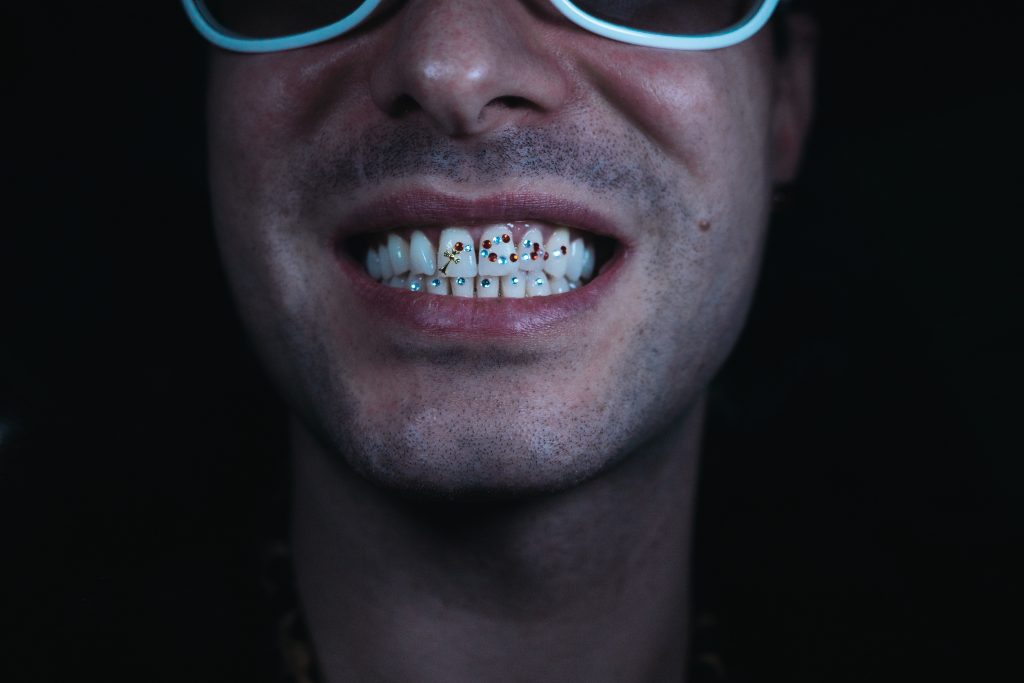
When you compare your initial idea of Forbidden Music to what it is today, how much has your vision changed and what influenced that evolution the most?
Due to our initial ,,controversy” and us using it too well, we actually grew a lot and too fast, so it took on a life of its own a little bit. Now we are at a stage where we are finally managing to take back control, of course for good reasons, what we always aimed to do – educate the masses here, show them new music, and better ways to have fun.
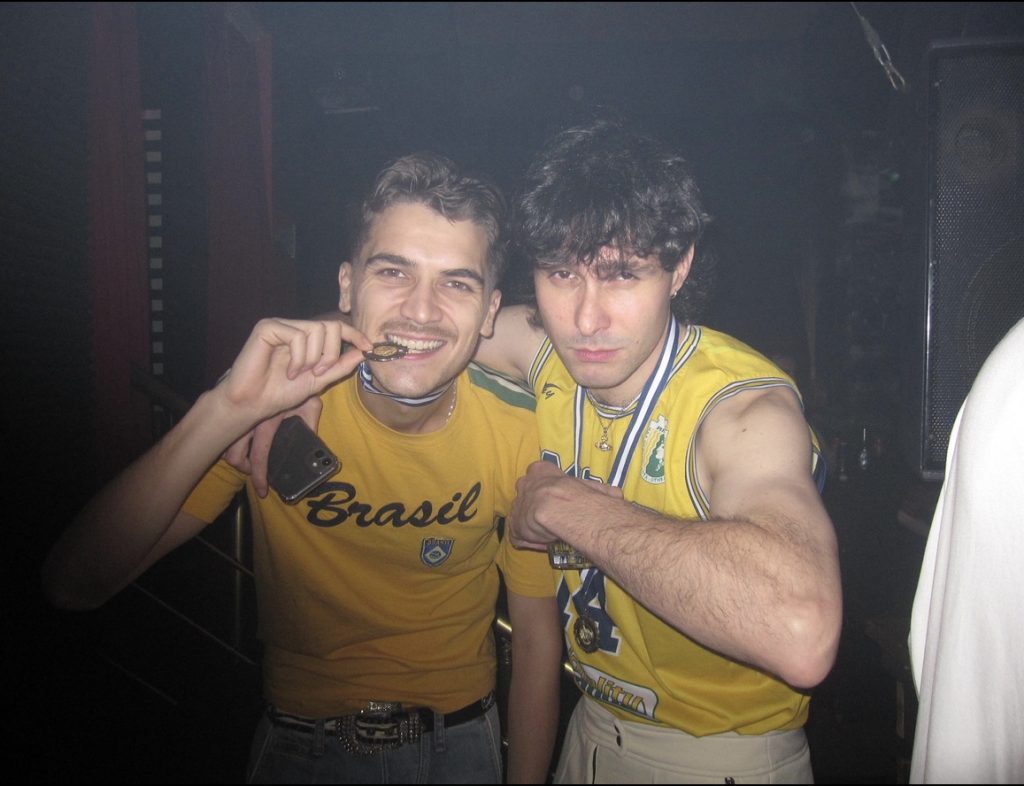
There seems to be a strong mutual energy between Forbidden Music and audiences in Serbia. How do you see your relationship with the regional scene developing, and what role do Serbian artists and tracks play in shaping your sets?
All of us on the Balkans have too much in common and when it comes to culture borders sometimes do and sometimes don’t make sense. As in.. we all have more in common than with any other central european country, so we like the same things and have similar views on the world. We are all like a family and it’s our time to show to the world how colourful and amazing this region can be. I believe we all see this and are happy to be part of it so I think that answers your question.
What’s the wildest party or moment you’ve experienced in these past four years?
We were recently talking about this the one party for which Bat Simo made a real-size UFO (for one person) and hung it from the ceiling, we also gave away a Lada Zhiguli at the same event to a random attendee and Galin came out to perform for 3 songs in their ,,forbidden” versions as a surprise, but also, each one is more or less that crazy, or at least we try our best, so each event is really special for all of us.
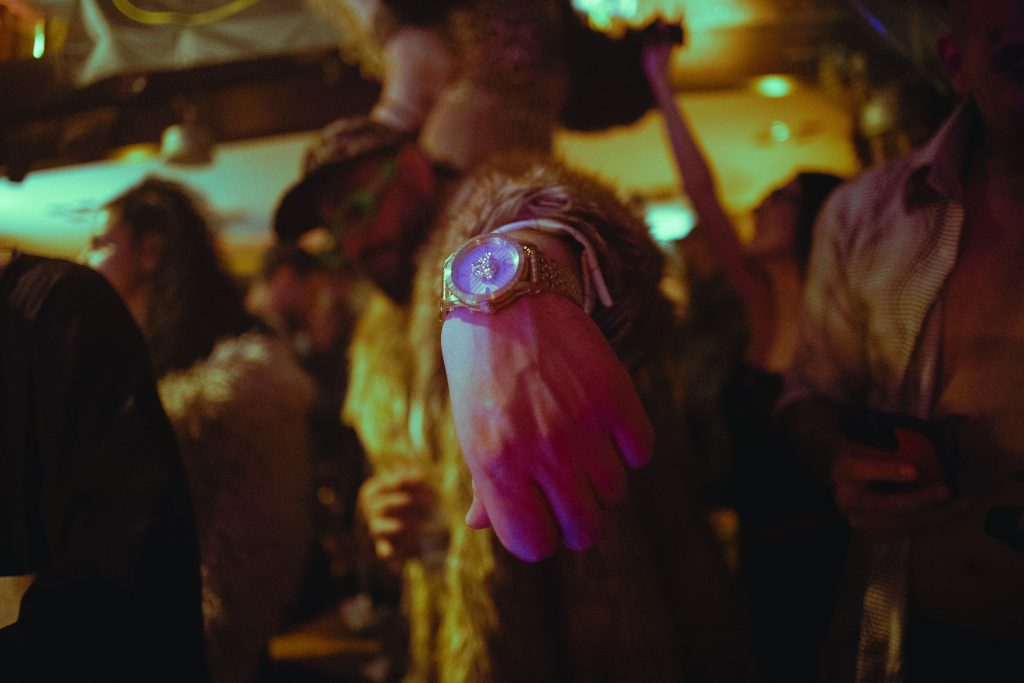
If you had to choose one track that best represents Zabranena Muzika, which one would it be?
It’s hard to say, mostly because it has many aspects. A big part of what defines us is the mixture of tracks that are not supposed to go together.
Which artist would you most like to collaborate with?
Azis
If you had to pick one, which Serbian remake of a Bulgarian track do you think outshines the original?
I don’t even have the knowledge which one was first with this one, the Bulgarian, Greek, or Serbian (there’s probably also from the other Balkan countries), and actually I’m pretty sure it’s heavily inspired by something not from the Balkans, but I really love the Serbian version most of this one – Goga Sekulic – Sexy Biznesmen.
How do you see Forbidden Music evolving over the next four years?
I don’t wanna tell too much but I think the clues are in the previous answers.
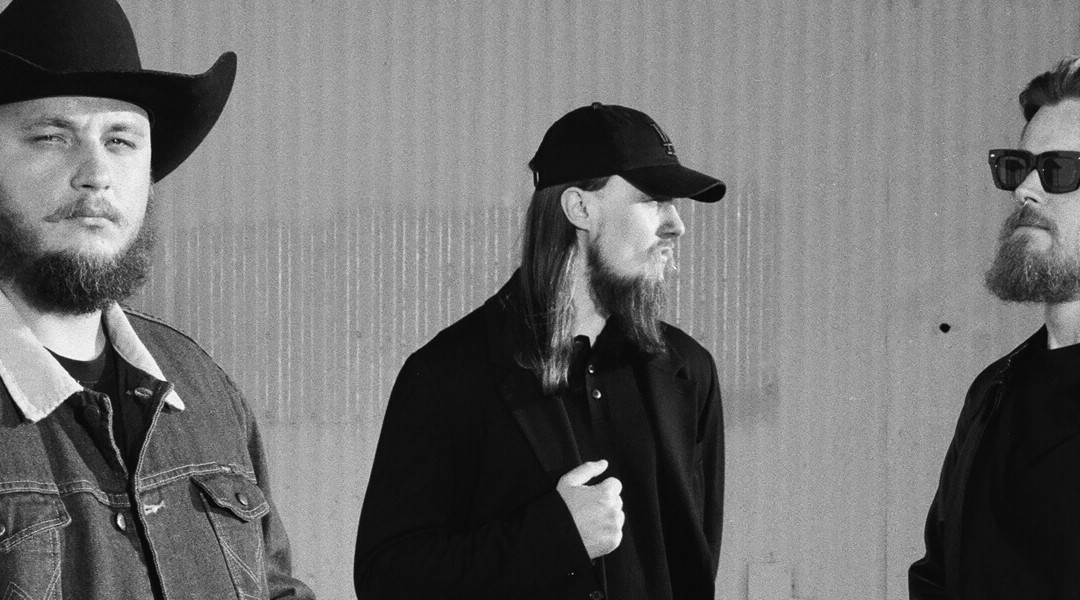
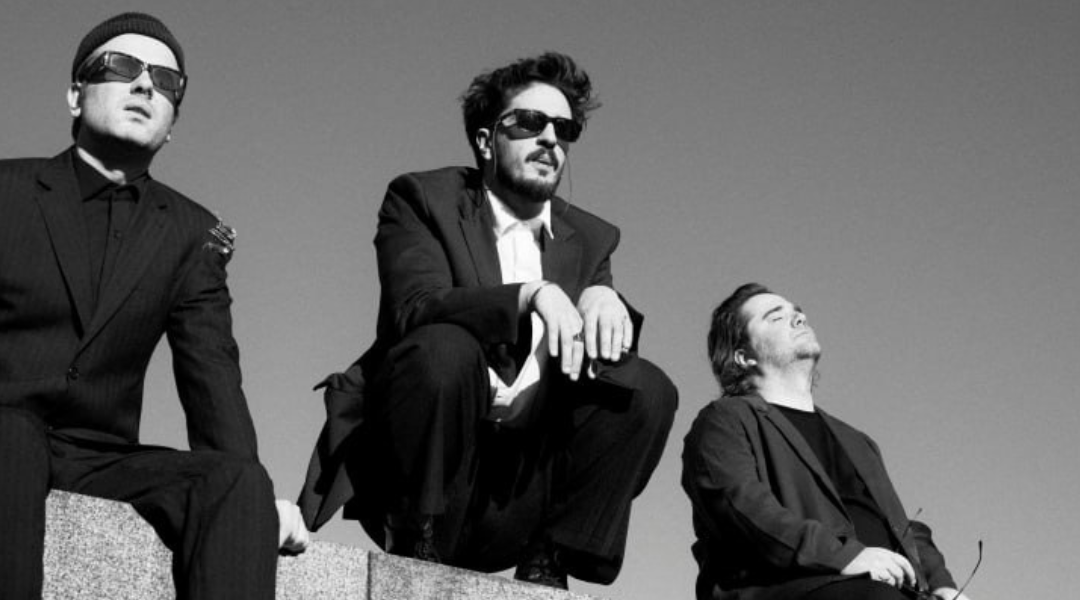
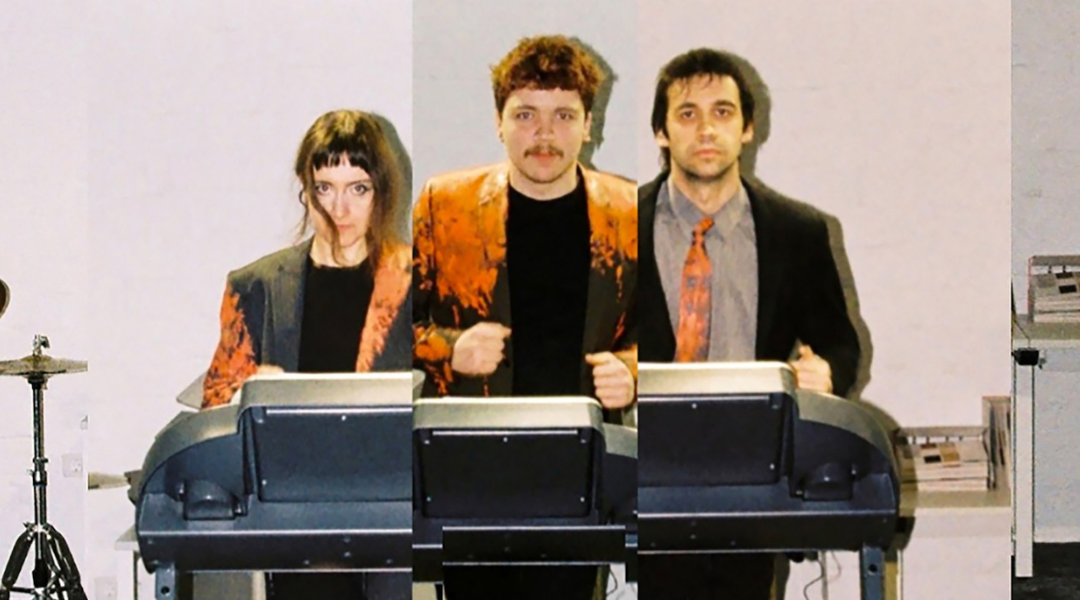
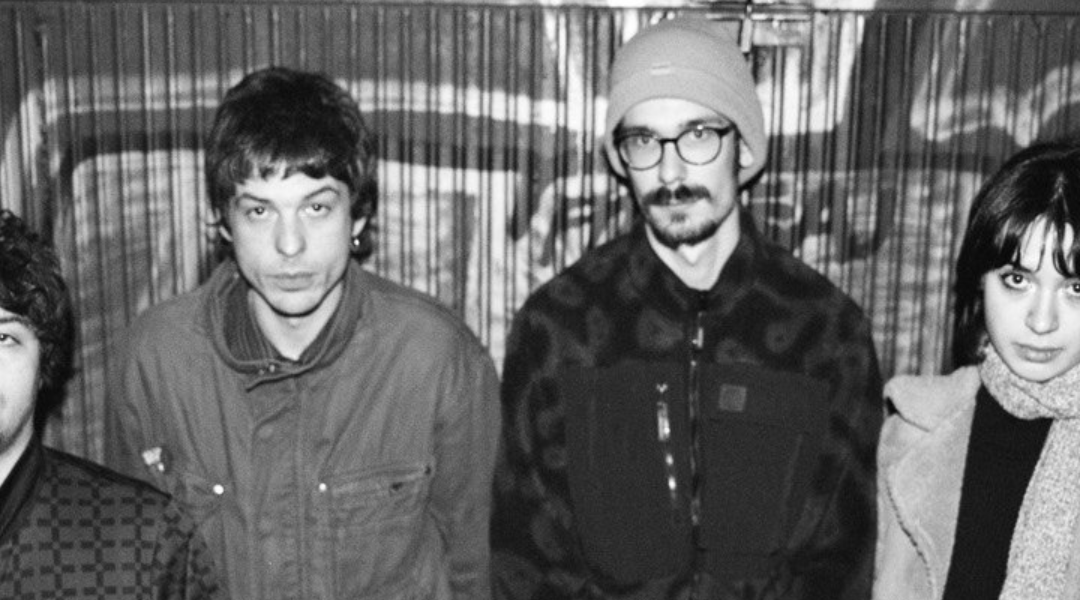
Photos: Forbidden Music
0 Comments